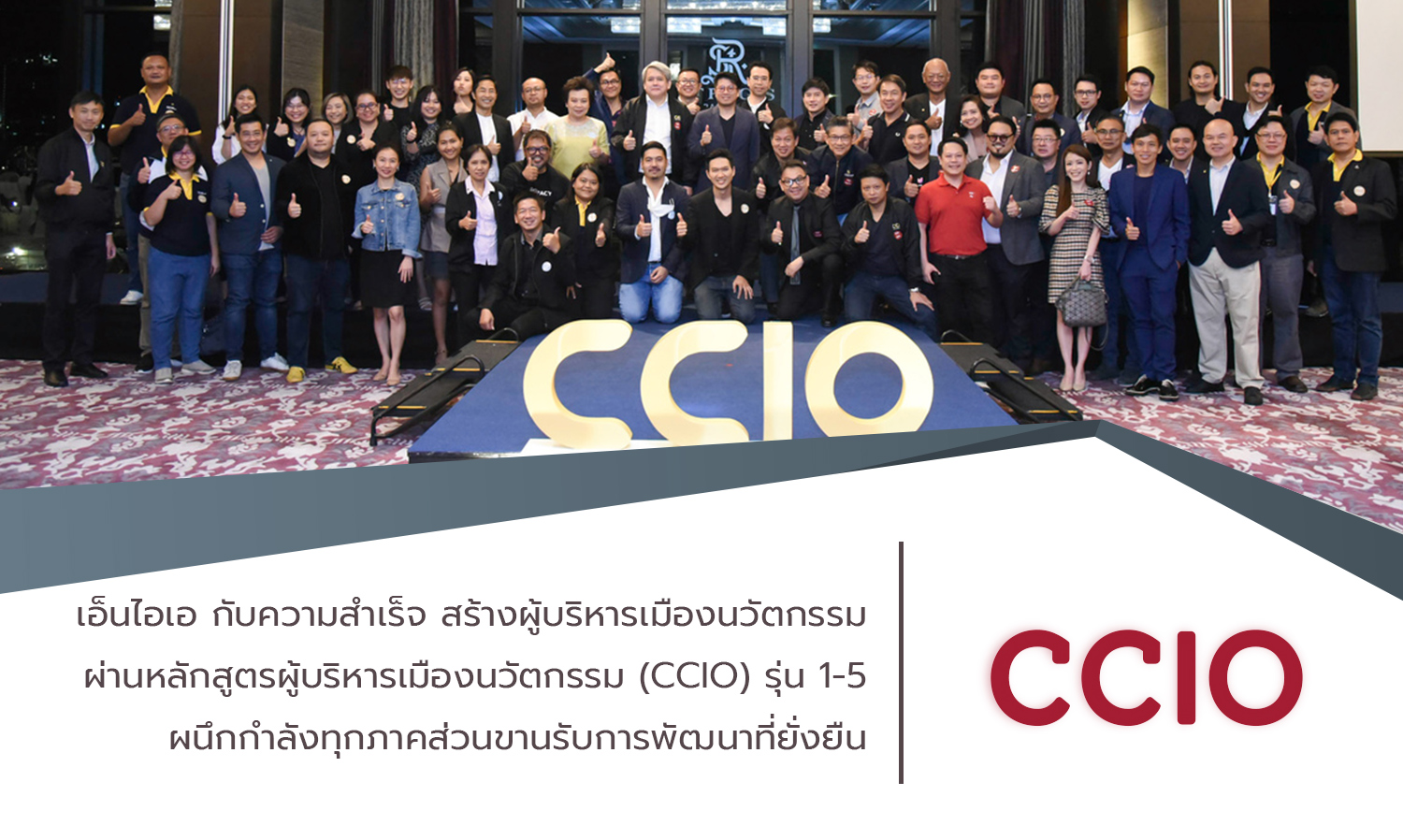
NIA and Success: Creating City Innovation Executives through the Chief City Innovation Officer (CCIO) Program, Cohorts 1-5, Uniting All Sectors for Sustainable Development
In the past decade, the world has developed and grown rapidly, fueled by technology and innovation. However, the impact of the COVID-19 pandemic has caused immense loss of life and affected economic and social changes globally. This has necessitated a shift in the direction of technology and innovation development to consider the contexts relevant to all sectors more closely. Despite having advanced innovative technologies, if they cannot be effectively utilized to support various sectors within the country, society, cities, and communities equitably, sustainable development will be difficult to achieve.
Dr. Phanuch Chaiyarat, Director of the National Innovation Agency (Public Organization) or NIA stated that NIA has recognized the importance of building the country's innovation system and applying it across various sectors, including government organizations, the private sector, and civil society, to contribute to driving development. This is underpinned by knowledge, creativity, management, and the enhancement of skills and capabilities of target groups, which are crucial mechanisms for driving development and leading to policy and practical changes that yield value and benefits for the nation and its people sustainably.
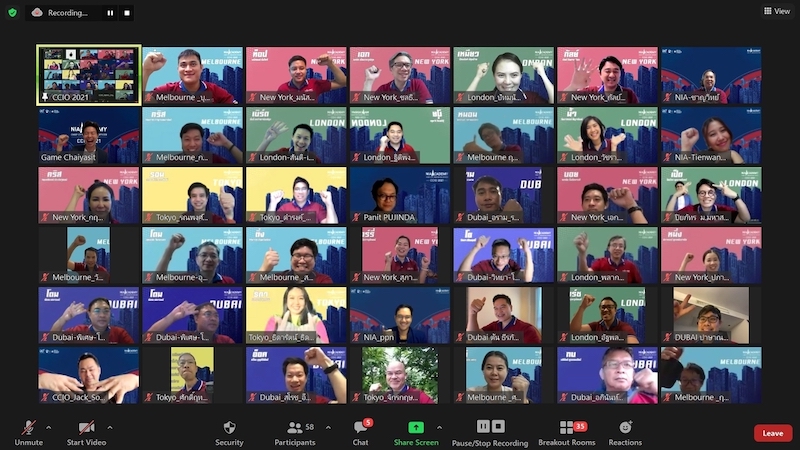
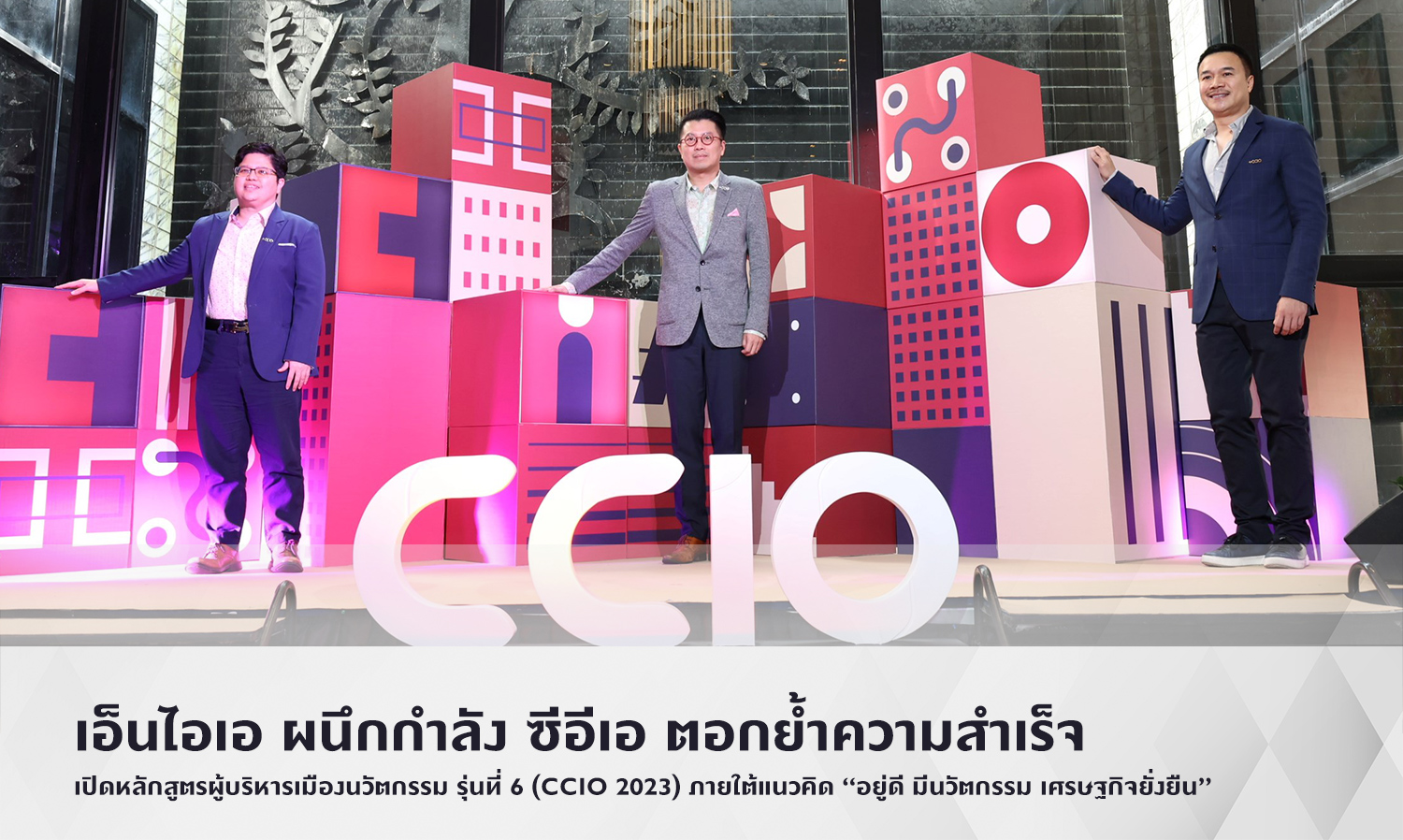
One of the key activities of NIA is the Chief City Innovation Officer (CCIO) training program, which has been continuously organized since 2018, with the current cohort being the 5th. The program aims to create a new generation of city executives who understand innovation, possess the ability to develop and strategize city management, and can adapt these skills to local contexts to achieve effective development. This leads to the development of areas at three levels: districts, cities, and regions, fostering inclusive, sustainable city innovation that aligns and supports each other.

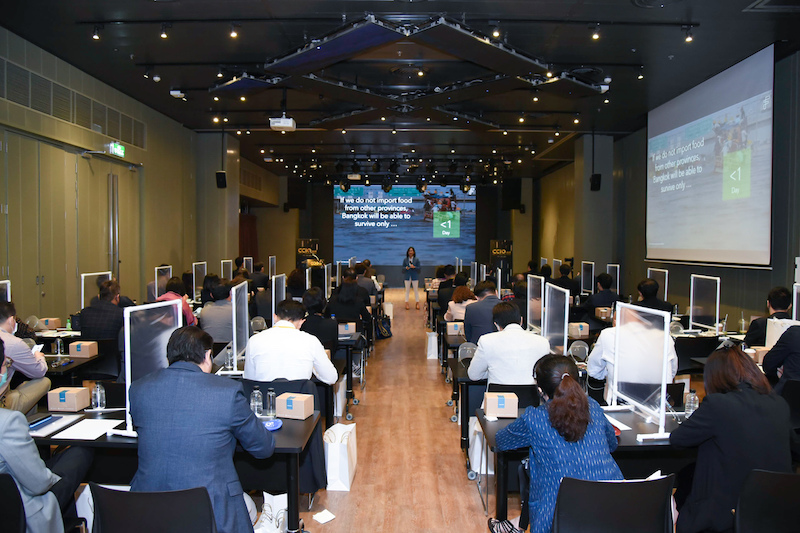
This year's CCIO program (Cohort 5) will focus on comprehensive urban development across all dimensions, aligning with current and future situations. Topics of interest include the City of the Future, New Paradigm of City Economy, UrbanTech Innovation, City and the Crisis, ESG Principles for Sustainable Cities, and City for Silver Economy. Distinguished speakers from both domestic and international backgrounds will share their insights. Participants in this program will gain knowledge to effectively develop organizations, businesses, and cities, as well as build a strong network of senior executives that can lead to innovative creations benefiting businesses and the country.
For the CCIO program or previous cohorts 1-4, many senior executives from government and private sectors have shown great interest in participating, including the Treasury Department, the Industrial Estate Authority of Thailand (IEAT), Siam Piwat Group, Pruksa Real Estate Public Company Limited, and Origin Property Public Company Limited, among others. This has created a network of over 180 city developers and innovators, leading to ideas or prototype projects for urban development and collaborations resulting in more than 10 practical projects, such as Chiang Mai as an Innovation City, projects in Nakhon Sawan, and Bangkok. This has also led to the establishment of city development companies in key provinces, generating over 50 million baht in investment value, reflecting the success of the previous four cohorts and the engagement with local communities.

What confirms the success of the CCIO program is the feedback from the participants. City Innovation Executive, Assoc. Prof. Dr. Sakarin Saepoo, a lecturer at the Faculty of Architecture, Design, and Arts at King Mongkut's Institute of Technology Ladkrabang, representing Cohort 2, said, "Before joining the CCIO program, I worked with communities using culture as a mechanism for community development, which was quite traditional. At one point, I became interested in startup businesses and had the opportunity to learn through the CCIO program, which opened up a new world for me. I learned new thought processes that allowed me to leverage innovation in business, fostering friendships and a strong network of city innovators."
Mr. Trin Tiwtharanont, Assistant Director of the Electronic Transactions Development Agency, representing Cohort 3, stated, "City innovation will elevate the quality of life in all dimensions. Traditional cities will fade away as we move towards becoming more innovative cities. My participation in the CCIO program has strengthened my belief in the innovation that arises from collaboration and participation from all sectors, driving innovation to address various societal challenges."
Meanwhile, Dr. Chakkrit Luangjaroenrat, Executive Director of Gensler (Thailand) Co., Ltd., representing Cohort 4, said, "As an architect and urban planner, I must say that before attending, I had some knowledge about city innovation but only at a basic level. Participating in the CCIO program provided me with in-depth insights into the components of a city, covering all dimensions, and I believe this is the charm of the CCIO program."
Mr. Ekachai Tangratnavalee, Executive Chairman of CP Origin Co., Ltd., representing Cohort 4, remarked, "We are not architects or designers, but attending the CCIO program helped us understand where to start in managing innovative cities and the sequence of thought processes. It opened new perspectives and ideas, enhancing our capabilities and understanding of how to appropriately and effectively leverage innovation for business development."